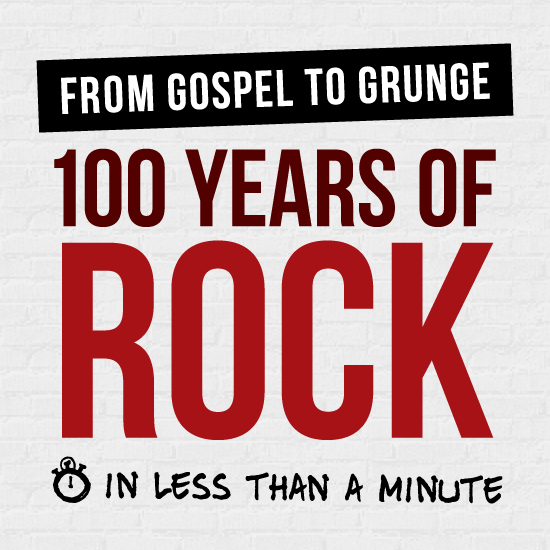
Esta impresionante web es un magnífico resumen visual de los géneros y estilos de la música popular urbana durante el siglo XX.
Además de ofrecer la posbilidad de escuchar un ejemplo sonoro de cada uno (pincha sobre la imagen para empezar y luego sobre el nombre que te interese para que empiece a sonar -puedes pararlo en la parte de abajo de la página-), te permite apreciar la estrecha relación entre unos y otros y las distintas evoluciones que tuvieron a lo largo del siglo.
domingo, 29 de junio de 2014
Music + Technology
La tecnología avanza de forma imparable y vertiginosa. En el post anterior podíamos ver los movimientos de los bailarines del Washington ballet en slow motion, en este os dejo una increible instalación del Mendelssohn-Bartholdy Museum en Leipzig, Alemania, llamada Effektorium.
¿Te imaginas tener en tus manos la batuta que hace sonar a una gran orquesta sinfónica? ¿te imaginas decidir el tempo de la obra -en función del movimiento de tu mano- o escuchar un fragmento de Beethoven o Mendelssohn eliminando alguna de las secciones de la orquesta?
No es imaginación, es una realidad:
¿Te imaginas tener en tus manos la batuta que hace sonar a una gran orquesta sinfónica? ¿te imaginas decidir el tempo de la obra -en función del movimiento de tu mano- o escuchar un fragmento de Beethoven o Mendelssohn eliminando alguna de las secciones de la orquesta?
No es imaginación, es una realidad:
I do like it. A present for Laila
Si yo puedo pensar que la música y la enseñanza musical no tienen la importancia que debieran en la sociedad actual, no quiero ni imaginar lo que pueden pensar las personas que dedican o han dedicado tantas y tantas horas a la danza.
Este es mi pequeño homenaje para Laila, una alumna de 2º ESO que, además de enseñarnos las posiciones básicas, nos confesó que hay tardes que se pasa cinco horas en el Conservatorio.
No pierdas la ilusión y que la fuerza te acompañe.
Este es mi pequeño homenaje para Laila, una alumna de 2º ESO que, además de enseñarnos las posiciones básicas, nos confesó que hay tardes que se pasa cinco horas en el Conservatorio.
No pierdas la ilusión y que la fuerza te acompañe.
sábado, 21 de junio de 2014
viernes, 20 de junio de 2014
eTwinning experience
These two images represent the end of a very long process in which we have sung, danced, clapped...
Thanks to all my amazing students and to our European friends. I hope you have enjoyed it and learned as much as I have.
lunes, 16 de junio de 2014
viernes, 30 de mayo de 2014
Sound and its properties, final activity
Unit: Sound and its properties
Music 1st ESO
Teacher: Francisco Prendes
1. Learning outcomes
2. Subject Content
3. Language Content / Communication
3.1. Vocabulary:
Nouns:
Pitch, duration, intensity, timbre, ear, music, silence, sound, noise, eardrum, ear canal, ossicles, wave, vibration, medium, vacuum, frequency, amplitude, loudness, decibel, deafness, pollution, hearing
Verbs:
Listen, hear, vibrate, compare, pollute, promote, reduce, install, prevent
Adjectives:
High, low, loud, quiet, soft, smooth, deaf
Prepositions:
Through
3.2. Structures:
4. Activities:
This unit is thought to take six lessons.
Lesson 1:
Warm up activity (20'): Is it Music? Students will listen to several audio files and they have to decide if it's music or not. (All the audio files have been taken from youtube videos: http://goo.gl/r6ebCR)
Debate (10')
Handouts about sound (20'): Read the contents (http://goo.gl/5inxR5) and answer the questions (http://goo.gl/oSltqE)
Homework:
Use the information given to complete the following activities:
1. Fill in the blanks (created with educaplay): http://en.educaplay.com/en/learningresources/1363841/sound_and_its_properties.htm
2. Matching activity (created with educaplay): http://en.educaplay.com/en/learningresources/1364050/sound_parameters.htm
Lesson 2:
Warm up activity: What is a sound? (5') (http://quizlet.com/_pxz1d)
Sound properties (videos and debate) (10'):
The human hearing range (https://www.youtube.com/watch?v=2G9Q-r2leyw)
The mosquito sound activity (compare the frequency range of sounds of different animals) (10') (http://www.wildmusic.org/en/aboutsound/mosquito)
Auditory discrimination activities (20'):
Name that sound (video): https://www.youtube.com/watch?v=N2F7rElPibA
Audio memory, Wild Music: http://www.wildmusic.org/en/animals/audiomemory
Name that sound: http://ia600406.us.archive.org/5/items/AplicacionesMusicalesEnFlash2008-2009/cartas.swf
Lesson 3:
Presentation related to the hearing process (matching words to images, fill in the gaps, label the image) (25') (Presentation: http://goo.gl/wV2fHb) (Activities: http://goo.gl/6ucXE5)(Audio file: http://goo.gl/zuMFQt)
How the ear works:
video – listening activity (15') (https://www.youtube.com/watch?v=-AejKSDozgg)
Interactive ear tool (http://www.amplifon.co.uk/interactive-ear/index.html)
Video: loud and quiet (10') (https://www.youtube.com/watch?v=SlPQ49ahDLE)
Lesson 4:
How loud is too loud: debate (10') (http://www.nidcd.nih.gov/staticresources/images/SoundRuler2011.swf) (Image to be commented on: http://goo.gl/yS9T2x)
Review activity (created with educaplay): http://en.educaplay.com/en/learningresources/1364228/i_like_to_sing.htm
Reading: Article about hearing loss (10') (http://www.hear-it.org/medical/clone-loud-music-damages-nerves-brain)
Deafening sound: video (10') (https://www.youtube.com/watch?v=MGj-cdn2M9o)
What can we do to prevent hearing loss, debate (10')
How to use a sound meter, possible applications (10') (https://itunes.apple.com/es/app/decibel-10th/id448155923?mt=8&ls=1
https://play.google.com/store/apps/details?id=kr.sira.sound&hl=es)
Homework: create a sound map
Lesson 5:
Create a comic using PIXTON, instructions for the task (http://goo.gl/XnzKx2)
How to use Pixton, tutorial (http://goo.gl/Z6DpLd)
Lesson 6:
Presentation of the comics
Test
5. Evaluation (assessment instruments)
Link to the Unit in pdf: http://goo.gl/qQ6Pmx
Music 1st ESO
Teacher: Francisco Prendes
1. Learning outcomes
- To be able to describe different sounds using appropriate terms
- To state that sound is caused by vibrations
- To state that sound needs a medium to travel through and it can be solid, liquid or gas
- To be able to use the terms 'frequency' and 'amplitude' in describing sound waves
- To be able to compare and interpret wave forms in terms of pitch and loudness
- To explain simple how the ear works
- To understand that the loudness of sound is measured in decibels
- To understand that loud sounds over a period of time can cause deafness To give possible solutions to noise pollution
2. Subject Content
- Sound and its properties: Pitch, duration, intensity and timbre
- How sound is produced: waves and its characteristics
- How the ear works: the human hearing range
- Noise pollution: Hearing loss and hearing protections
3. Language Content / Communication
3.1. Vocabulary:
Nouns:
Pitch, duration, intensity, timbre, ear, music, silence, sound, noise, eardrum, ear canal, ossicles, wave, vibration, medium, vacuum, frequency, amplitude, loudness, decibel, deafness, pollution, hearing
Verbs:
Listen, hear, vibrate, compare, pollute, promote, reduce, install, prevent
Adjectives:
High, low, loud, quiet, soft, smooth, deaf
Prepositions:
Through
3.2. Structures:
- Use the adjectives related to the topic (high, low, loud, quiet) in their comparative forms.
- Use will and won't to make predictions.
- Use modal verbs to express probability.
- Express certainty and make logical deductions.
- Express personal opinions.
4. Activities:
This unit is thought to take six lessons.
Lesson 1:
Warm up activity (20'): Is it Music? Students will listen to several audio files and they have to decide if it's music or not. (All the audio files have been taken from youtube videos: http://goo.gl/r6ebCR)
Debate (10')
Handouts about sound (20'): Read the contents (http://goo.gl/5inxR5) and answer the questions (http://goo.gl/oSltqE)
Homework:
Use the information given to complete the following activities:
1. Fill in the blanks (created with educaplay): http://en.educaplay.com/en/learningresources/1363841/sound_and_its_properties.htm
2. Matching activity (created with educaplay): http://en.educaplay.com/en/learningresources/1364050/sound_parameters.htm
Lesson 2:
Warm up activity: What is a sound? (5') (http://quizlet.com/_pxz1d)
Sound properties (videos and debate) (10'):
The human hearing range (https://www.youtube.com/watch?v=2G9Q-r2leyw)
The mosquito sound activity (compare the frequency range of sounds of different animals) (10') (http://www.wildmusic.org/en/aboutsound/mosquito)
Auditory discrimination activities (20'):
Name that sound (video): https://www.youtube.com/watch?v=N2F7rElPibA
Audio memory, Wild Music: http://www.wildmusic.org/en/animals/audiomemory
Name that sound: http://ia600406.us.archive.org/5/items/AplicacionesMusicalesEnFlash2008-2009/cartas.swf
Lesson 3:
Presentation related to the hearing process (matching words to images, fill in the gaps, label the image) (25') (Presentation: http://goo.gl/wV2fHb) (Activities: http://goo.gl/6ucXE5)(Audio file: http://goo.gl/zuMFQt)
How the ear works:
video – listening activity (15') (https://www.youtube.com/watch?v=-AejKSDozgg)
Interactive ear tool (http://www.amplifon.co.uk/interactive-ear/index.html)
Video: loud and quiet (10') (https://www.youtube.com/watch?v=SlPQ49ahDLE)
Lesson 4:
How loud is too loud: debate (10') (http://www.nidcd.nih.gov/staticresources/images/SoundRuler2011.swf) (Image to be commented on: http://goo.gl/yS9T2x)
Review activity (created with educaplay): http://en.educaplay.com/en/learningresources/1364228/i_like_to_sing.htm
Reading: Article about hearing loss (10') (http://www.hear-it.org/medical/clone-loud-music-damages-nerves-brain)
Deafening sound: video (10') (https://www.youtube.com/watch?v=MGj-cdn2M9o)
What can we do to prevent hearing loss, debate (10')
How to use a sound meter, possible applications (10') (https://itunes.apple.com/es/app/decibel-10th/id448155923?mt=8&ls=1
https://play.google.com/store/apps/details?id=kr.sira.sound&hl=es)
Homework: create a sound map
Lesson 5:
Create a comic using PIXTON, instructions for the task (http://goo.gl/XnzKx2)
How to use Pixton, tutorial (http://goo.gl/Z6DpLd)
Lesson 6:
Presentation of the comics
Test
5. Evaluation (assessment instruments)
- There will be a test at the end of the unit.
- Class work will be graded (listening, reading, speaking activities, group work)
- Homework: sound map.
- Project: Comic about noise pollution.
Link to the Unit in pdf: http://goo.gl/qQ6Pmx
Suscribirse a:
Entradas (Atom)


